
Carolina Pruning Calendar
Charlotte Tree Pruning: A Season-by-Season Plan
By James Johnson
Charlotte's mild winters and long growing season create plenty of workable pruning days, but timing still affects how clearly structure can be seen and how a tree responds.
The best window depends on the goal. Structural work on a mature oak, deadwood over a driveway, and shaping a spring-flowering ornamental belong on different calendars.
Use this seasonal plan for routine work. Cracked, hanging, or storm-loaded limbs should be addressed whenever they threaten people or property through tree trimming or emergency service.
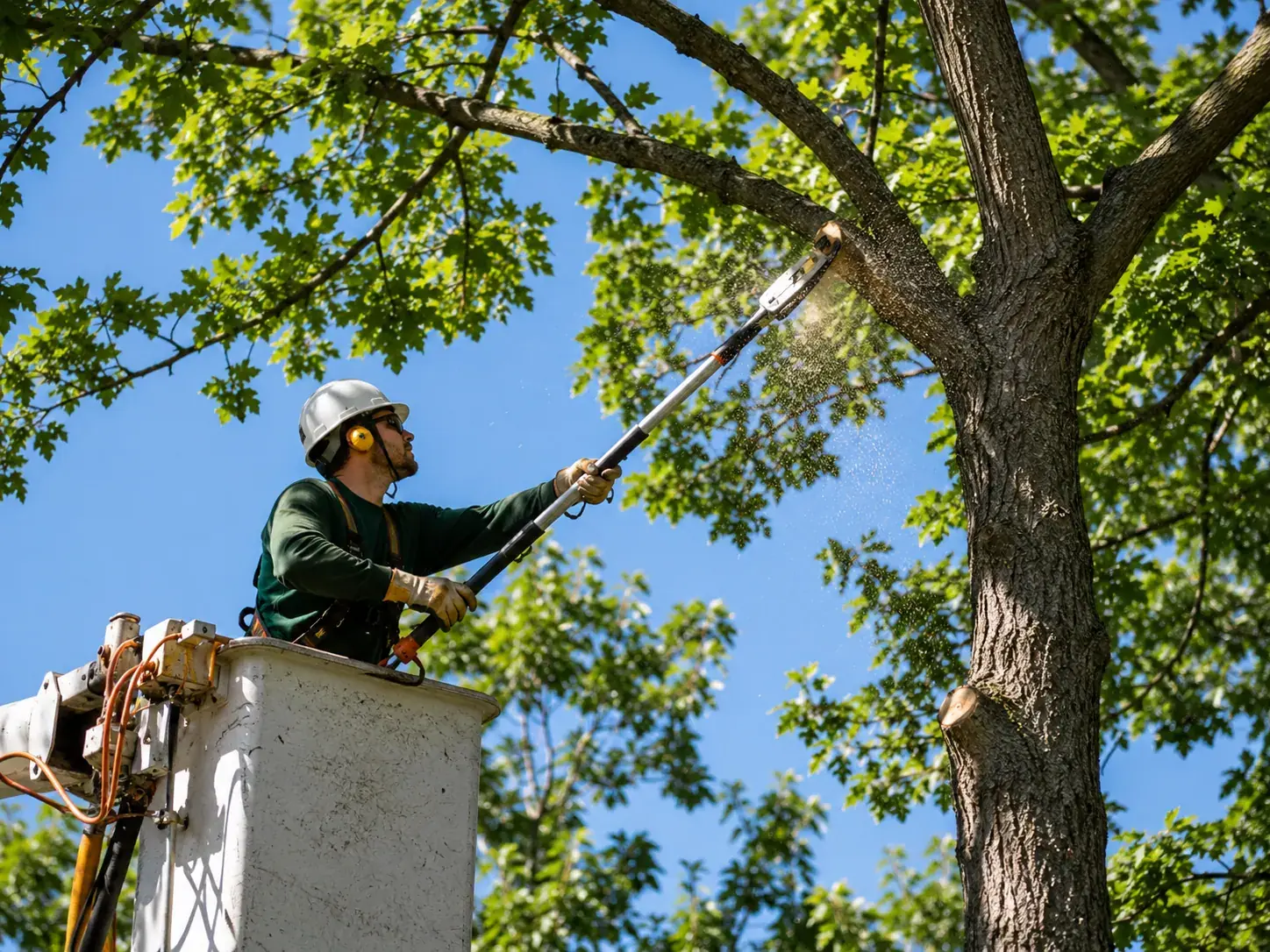
The Charlotte Pruning Year
Plan non-urgent work around tree biology and visibility, then move safety defects to the front regardless of season.
December–February: structure is easiest to read
Dormant deciduous canopies expose crossing branches, weak unions, and overextended limbs. Late winter is a strong window for structural pruning on many oaks, maples, and young shade trees.
March–April: prune spring bloomers after flowers fade
Dogwoods, redbuds, and other spring-flowering trees set buds before they bloom. Waiting until flowering finishes preserves the display while allowing light corrective work.
May–August: focus on clearance and visible defects
A full canopy makes deadwood, roof contact, and low driveway clearance easy to spot. Keep live-canopy removal measured during heat and drought, especially on already stressed trees.
September–November: inspect before winter weather
Fall is useful for assessment and deadwood removal, but avoid unnecessary heavy pruning that triggers tender growth or removes too much stored energy before dormancy.
After storms: reset the calendar
Hangers, cracked unions, and branches on structures do not wait for dormant season. Secure the area and arrange prompt storm-damage evaluation.
Young trees: small cuts prevent large problems
Correcting competing leaders and poor branch spacing during the first decade builds a canopy that needs fewer major cuts later. Young-tree training is one of the highest-value pruning investments.
Timing Cannot Fix a Bad Cut
Topping, flush cuts, lion-tailing, and removing too much live canopy damage trees in every season.
Good pruning works back to an appropriate lateral or branch collar, keeps enough foliage to support recovery, and has a specific objective for every cut.
Ask what the finished canopy should accomplish — clearance, reduced end weight, deadwood removal, or young-tree structure — rather than requesting a percentage with no plan.
Build a Property-Wide Pruning Schedule
List the trees touching roofs, blocking sightlines, dropping deadwood, or developing competing stems. Separate immediate hazards from maintenance goals.
Group compatible work by season and area of the property. One planned visit can often handle several trees more efficiently than repeated single-tree calls.
Our Instant Estimate lets you upload overview photos and identify the priorities before a crew evaluates the final scope.
Charlotte Pruning Timing Questions
Is winter the best time to prune every tree?
No. Winter is excellent for seeing structure on many deciduous trees, but spring-flowering species are usually pruned after bloom, and hazards should be handled whenever they appear.
How often should mature trees be pruned?
Many mature landscape trees benefit from inspection every two to three years, with pruning only when there is a clear objective. Young trees may need lighter, more frequent structural work.
Can trees be trimmed during a Charlotte summer?
Yes. Deadwood and clearance work are common in summer. Heavy live-canopy reduction should be approached carefully during prolonged heat or drought.
Should storm-damaged limbs wait for dormant season?
No. Broken, hanging, or structurally unstable limbs should be assessed promptly. Safety takes priority over the ideal maintenance window.
Keep reading
Related guides & services
Useful next steps from Charlotte Tree Co. across Charlotte.
Plan the Right Cuts at the Right Time
Show us the trees, clearance problems, and maintenance goals across your property.
We'll help prioritize professional pruning, assessment, and any work that should happen before the next storm season.